
Advanced laparoscopic surgery
Keyhole surgery, accredited.
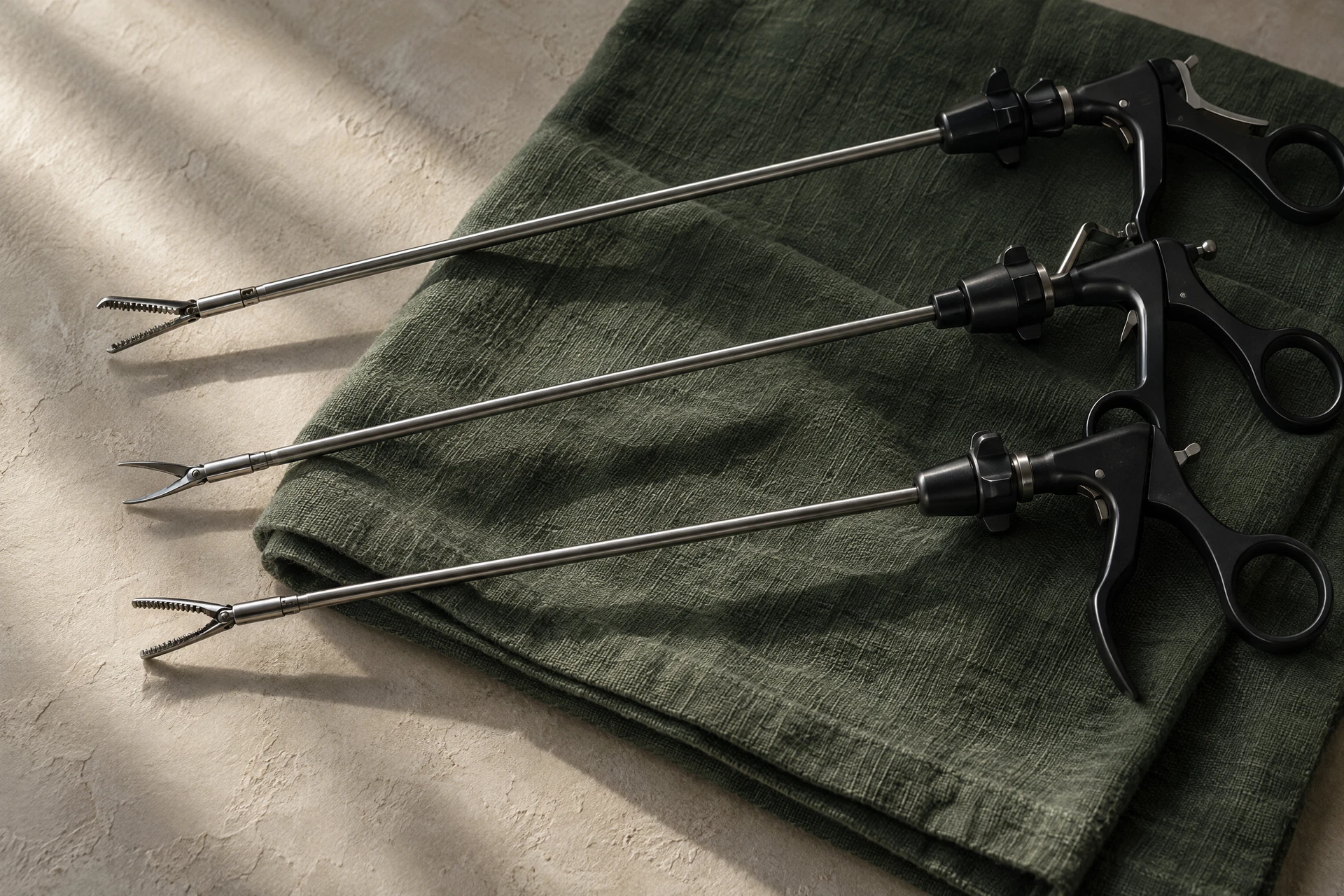
A two-year fellowship and AGES accreditation underpin every laparoscopic procedure — for endometriosis, fibroids, complex ovarian cysts, infertility and pelvic floor dysfunction.
AGES accreditation
What the letters mean.
The Australasian Gynaecological Endoscopy and Surgery Society sets the standard for advanced laparoscopic practice in Australia and New Zealand.
Accreditation is not automatic. It follows a structured two-year fellowship, logged operative experience and peer review of surgical outcomes. Dr Boustany completed that fellowship and is accredited by AGES as an advanced laparoscopic surgeon.
In practice, that means complex benign gynaecological surgery — severe endometriosis, large fibroids, complex cysts, adhesions and pelvic floor repair — can be approached laparoscopically rather than through open surgery.
Fellowship & accreditation
- 01
Two-year fellowship
Dedicated minimally invasive gynaecological surgery training.
- 02
AGES accreditation
Advanced laparoscopic surgeon, Australasian Gynaecological Endoscopy and Surgery Society.
- 03
Endoscopic qualification
Fully qualified in endoscopic surgery, with advanced operative technique.
Procedures
What is operated on.
Each operation is planned around the diagnosis, your symptoms and — where relevant — your plans for pregnancy.
Laparoscopic hysterectomy
Removal of the uterus through keyhole surgery, with the option of preserving the ovaries and cervix where appropriate.
Laparoscopic myomectomy
Removal of uterine fibroids while conserving the uterus — an option for women who wish to preserve fertility.
Excision of endometriosis
Complete, careful excision of endometriotic deposits and adhesions, including deep infiltrating disease.
Ovarian cystectomy
Removal of complex ovarian cysts with preservation of healthy ovarian tissue wherever possible.
Adhesiolysis
Division of pelvic adhesions that contribute to pain or impair fertility, restored through minimally invasive access.
Pelvic floor repair
Laparoscopic and vaginal procedures for utero-vaginal prolapse and pelvic floor dysfunction.
Why minimally invasive
The same operation, through a smaller door.
Smaller incisions
Several keyhole incisions rather than one long abdominal incision, with less scarring and lower wound risk.
Less post-operative pain
Reduced tissue trauma generally means less pain, and less reliance on strong analgesia afterwards.
Shorter hospital stay
Many laparoscopic procedures allow discharge within a day or two, depending on the operation performed.
Faster recovery
A quicker return to work, driving and normal activity for most women — with individual guidance.
Your surgical journey
Planned, then performed.
I incorporate the Enhanced Recovery After Surgery (ERAS) principles into my surgical practice, focusing on evidence-based, patient-centred care to optimise preoperative preparation, minimise surgical stress, promote early mobilisation and nutrition, and facilitate faster recovery with reduced complications and length of hospital stay.
- 01
Before surgery
A consultation to confirm the diagnosis, discuss the operation and its alternatives, and complete informed financial consent. Pre-operative blood tests and any imaging are arranged in advance.
- 02
The day of surgery
Admission at The George Centre, Liverpool Private or Campbelltown Private. You will meet the anaesthetist, and Joseph will review the plan with you before theatre.
- 03
Afterwards
Most women are mobilising the same day. You will receive written recovery advice, a follow-up appointment, and a direct number to call if something doesn’t feel right.
Appointments
Considering surgery?
A referral from your GP or specialist will help, but a first conversation is often the most useful step. Call the rooms to discuss an assessment.